


Freud LU88R012 12 in. Thin Kerf Fine Finish Crosscut Blade
Freud LU88R012 12 in. Thin Kerf Fine Finish Crosscut Blade
Out of Stock - Available to Order - Usually ships in 5-7 days
Product Details
Product Details
Key Features


Overview
The Freud LU88R012 12 in. Thin Kerf Fine Finish Crosscut Blade is a carbide-tipped circular saw blade built for clean, fine-finish crosscuts in wood and sheet goods. This is a fine finish crosscut blade designed for smooth crosscutting in hardwood, softwood, plywood, laminate, chipboard, and moldings. Model Number: LU88R012. If you are running a miter saw or another 12 inch saw that benefits from a lighter-cutting blade, this one is aimed right at that job.
The big selling point here is the combination of an 80-tooth layout, an alternate top bevel grind, and a .094 inch kerf. In plain terms, it is set up to leave a cleaner edge than a rough framing blade while asking less from the saw than a heavier full-kerf blade. That matters when you are trimming hardwood, cutting finished moldings, or working with a saw that tends to bog down on denser stock.
Freud also gives this blade a 15 degree hook angle, which helps it feed smoothly through the cut. Paired with the thin kerf, that makes it easier to keep a steady pace without forcing the saw. For finish work, that steady feed is part of what helps you avoid chipped edges and inconsistent cut quality. The listed cutting range of 1/2 inch minimum to 2-3/4 inch maximum covers a lot of the common trim, board, and panel work this blade is meant for.
On the materials side, Freud uses its TiCo high-density carbide crosscutting blend for the teeth. That is worth paying attention to because blade life is not just about how sharp it cuts on day one. Better carbide helps the edge hold up longer in repeated finish cuts, especially when you are moving between hardwoods, softwoods, plywood, and laminates during the same job.
The Perma-SHIELD non-stick coating is not just there for looks. According to Freud, it reduces blade drag and helps protect against corrosion and pitch buildup. On the saw, less drag means the blade pulls easier through the cut, which is a real benefit on underpowered machines. Less pitch sticking to the blade body also helps keep performance more consistent instead of slowly getting worse as residue builds up.
Fitment is straightforward: this is a 12 inch blade with a 1 inch arbor and a maximum speed rating of 6000 RPM. Those are the numbers you need to match against your saw before buying. It is intended for wood cutting applications and is specifically listed as not recommended for non-ferrous metal, so this is not the blade to grab for aluminum trim or mixed-material cutting.
Who is it for? This blade makes the most sense for finish carpenters, cabinet installers, remodelers, trim crews, and serious DIY users who care more about edge quality than raw ripping speed. If your saw feels a little light on horsepower but you still want a clean crosscut in finished material, this blade is a smart setup. If your work is mostly rough framing or heavy ripping, you would want a different tooth count and grind.
At a Glance
Built for Clean Finish Work
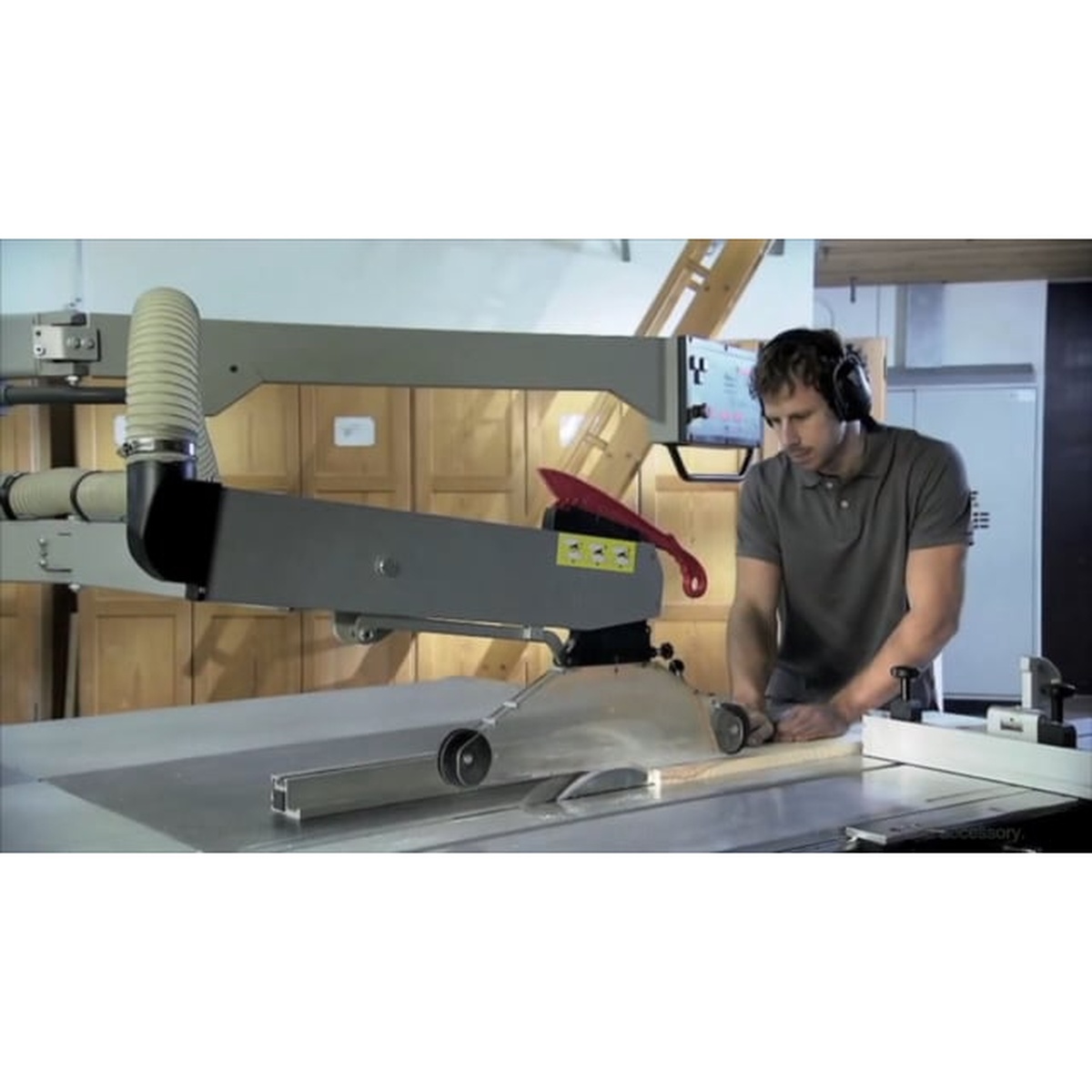
When the job calls for a clean crosscut instead of a fast rough pass, tooth count and grind matter. This blade is tuned for finish work where edge quality shows up in the final result.
- 80-tooth design for fine finish crosscutting
- Alternate top bevel tooth configuration helps leave a smoother cut edge
- Works well on hardwood, softwood, plywood, laminate, chipboard, and moldings
Helps Underpowered Saws Work Easier
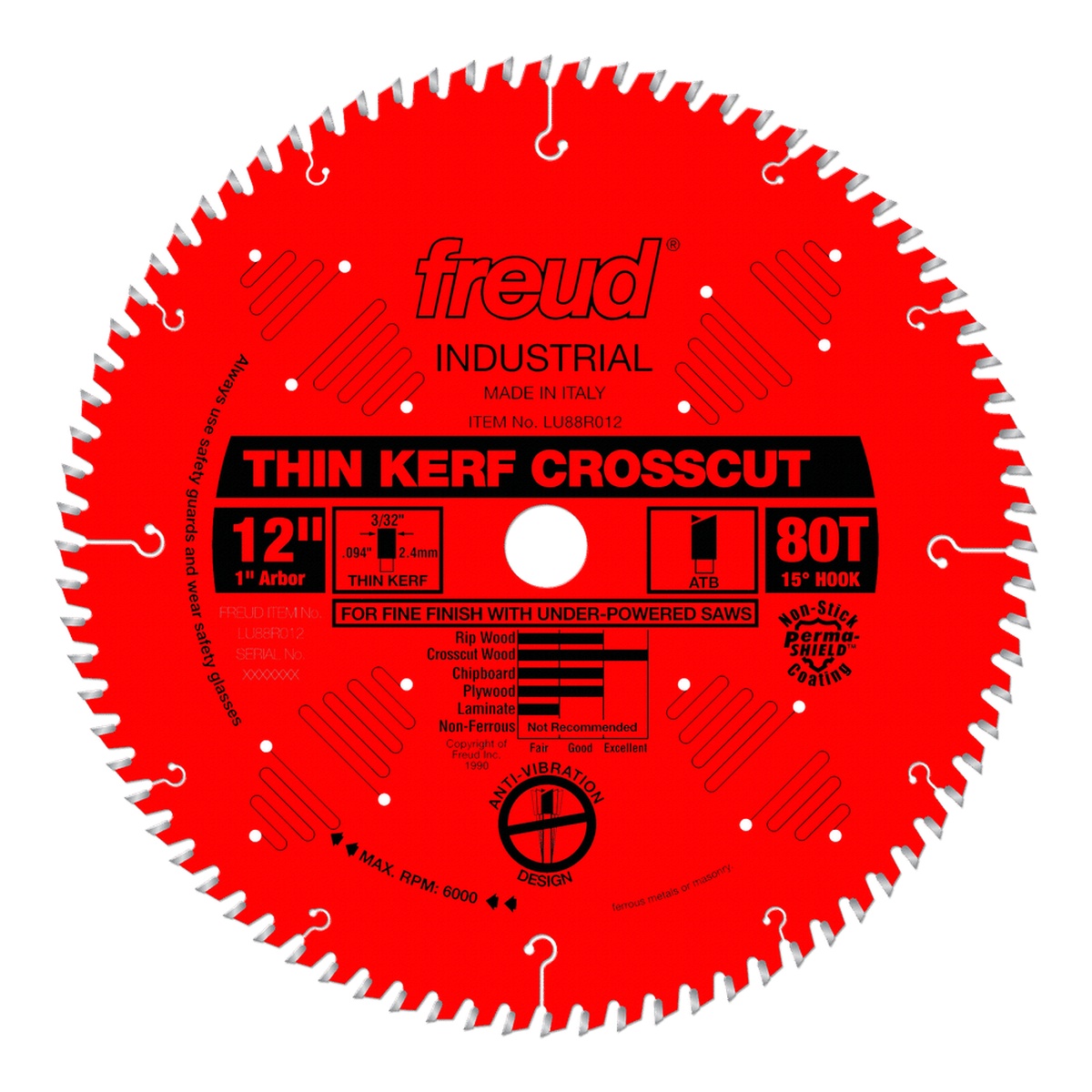
A thin kerf blade takes a smaller bite out of the material. That reduces the load on the saw, which is exactly why this blade is a good match for saws that need help staying smooth through the cut.
- .094 inch kerf removes less material than a heavier full-kerf blade
- Freud states coated blades pull less on the saw, helping available cutting power go further
- 15 degree hook angle supports a smoother feed rate
Good Fit for Trim, Panels, and Sheet Goods
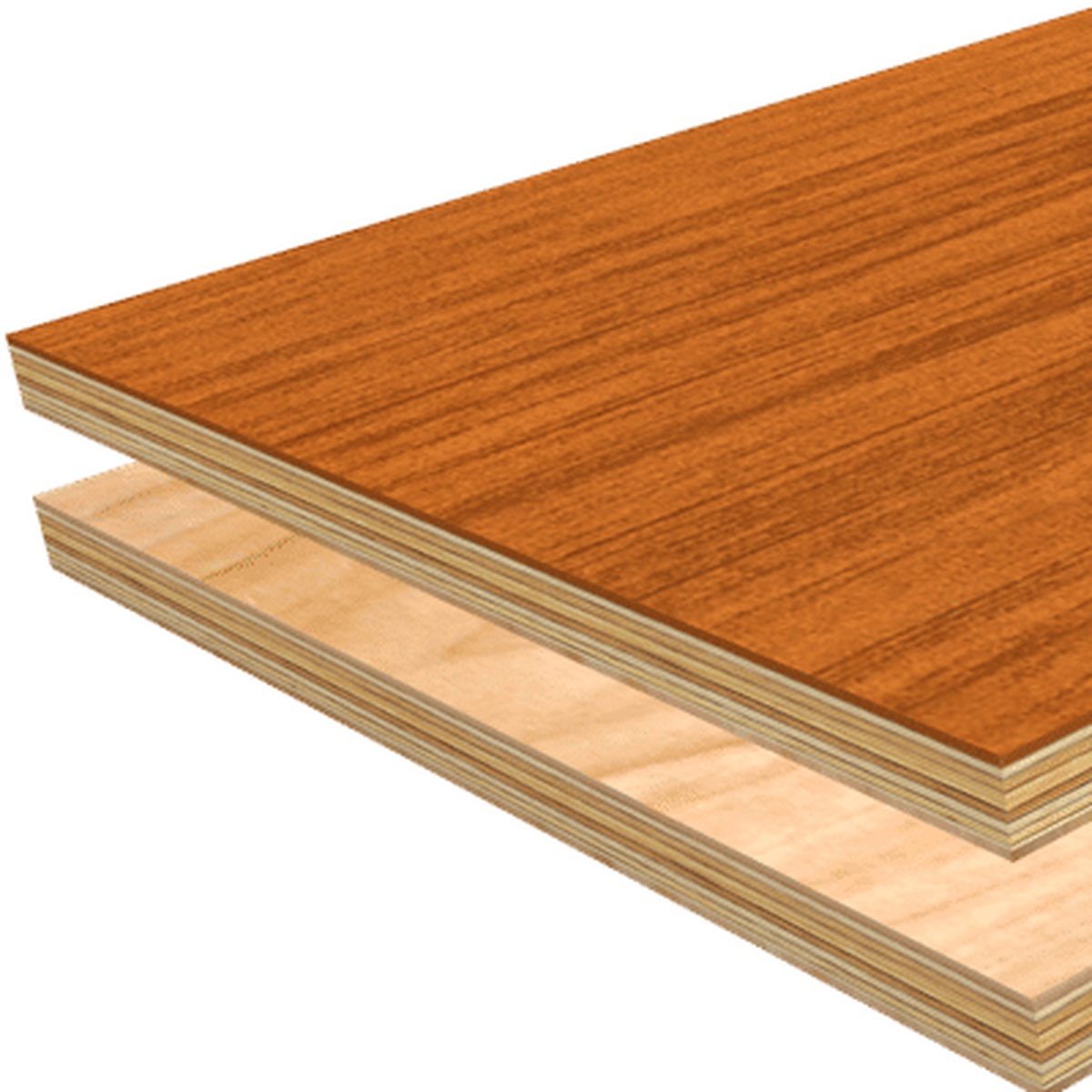
This blade is aimed at finish-oriented wood cutting, not general demolition or mixed-material work. If your priority is a cleaner cut in visible material, that is where it earns its keep.
- Ideal for hardwood, softwood, plywood, laminate, chipboard, and moldings
- Minimum listed cut depth: 1/2 inch
- Maximum listed cut depth: 2-3/4 inch
What's in the Box
- (1) Freud LU88R012 12 in. Thin Kerf Fine Finish Crosscut Blade
Key Specifications
| Diameter | 12 in. |
|---|---|
| Arbor Size | 1 in. |
| Tooth Count | 80 |
| Kerf | 0.094 in. |
| Plate Thickness | 0.071 in. |
| Hook Angle | 15° |
| Grind Type | Alternate Top Bevel |
| Maximum Speed | 6000 RPM |
| Blade Material | Carbide |
| Cutting Range | 1/2 in. to 2-3/4 in. |
| Non-Stick Coating | Yes |
| Made In | Italy |
| Weight | 2.47 lbs |
Compatibility

Built For
Pro Tip

If your saw is a little light on power, this thin kerf blade will help, but you still want to let it reach full speed before entering the cut and keep your feed steady. That is where the LU88R012 really pays off with cleaner finish cuts instead of burn marks or chipped edges.
Warranty & Support

Tool Nut's Take
Freud LU88R012 12 in. Thin Kerf Fine Finish Crosscut Blade for smoother finish cuts without overworking the saw
This is the kind of blade you buy when cut quality matters but your saw is not a brute.
- Who it's for: Trim carpenters, remodelers, cabinet installers, woodworkers, and serious DIY users making visible crosscuts in finished material.
- Why it stands out: The 80-tooth ATB layout, thin kerf, TiCo carbide, and Perma-SHIELD coating work together to give you clean cuts with less drag on the saw.
- Worth knowing: This is a finish crosscut blade, not a do-everything blade. It is great for wood and sheet goods, but it is not recommended for non-ferrous metal.
Common Questions
- What kind of cuts is this blade designed for? It is designed for fine finish crosscutting in wood and wood-based materials such as hardwood, softwood, plywood, laminate, chipboard, and moldings.
- Will this blade help on a lower-horsepower saw? Yes. The thin kerf removes less material, so it puts less load on the saw and is specifically positioned for use with underpowered saws.
- What arbor size does it use? This blade uses a 1 inch arbor and a 12 inch diameter.
- Can it cut non-ferrous metal? No. The source data specifically says non-ferrous cutting is not recommended.

Join over 1/2 million customers who have trusted Tool Nut and given us a 4.8+ star rating on Google. Celebrating over 30 years of building together, since 1994.
Your payment information is processed securely. We do not store credit card details nor have access to your credit card information.

